
What Reddit Reveals About Healthy Eating Across Latin America

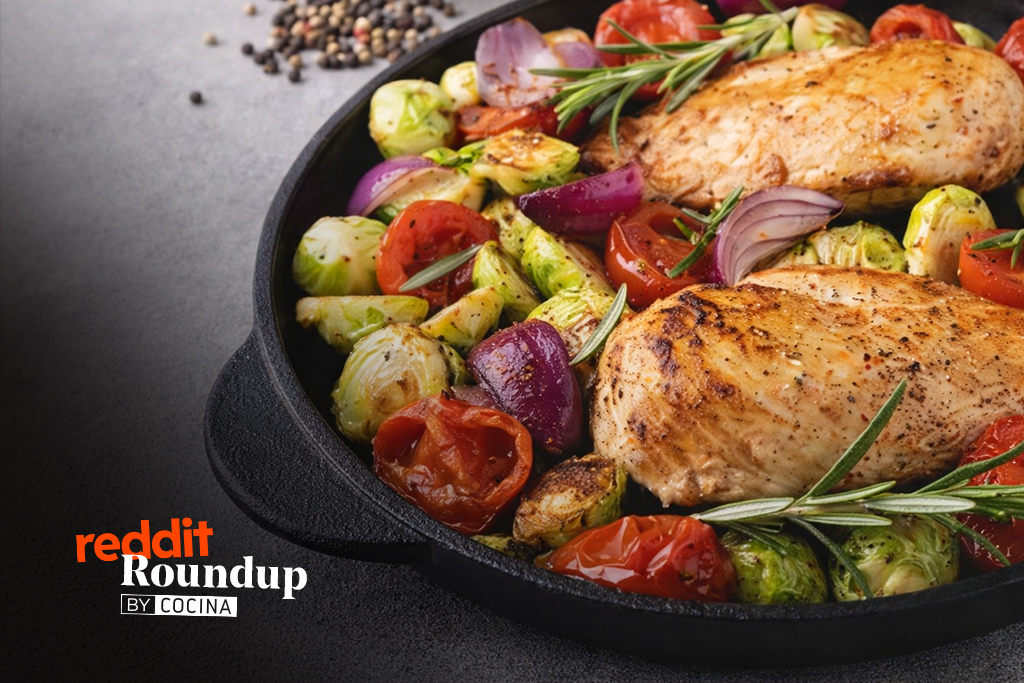
Healthy eating means different things depending on who you ask. In the U.S., the conversation often revolves around calorie counting, superfoods, or restrictive diet trends. But across Latin America, everyday meals tend to follow a different philosophy—one rooted in balance, home cooking, and simple ingredients that have been part of family traditions for generations.
How Healthy Eating Looks Across Latin America
To get a closer look at how people across Latin cultures actually eat day to day, we turned to Reddit, asking users in r/AskLatinAmerica what everyday meals look like in their countries.
Many of these everyday meals reflect long-standing traditions of healthy eating across Latin America. The responses painted a picture of food that’s deeply practical, often cooked at home, and built around combinations of grains, proteins, vegetables, and fruits. Rather than chasing trends, many of these meals reflect a long-standing approach to nourishment that naturally supports balance and sustainability.
Brazil’s Secret to Healthy Eating? The Everyday Plate
One common theme across many responses was the idea of the “everyday plate”—a balanced combination of staple ingredients that form the backbone of daily meals. In Brazil, one of the most recognizable examples of this is prato feito, a traditional lunch plate built around rice, beans, protein, and simple sides.
Redditors described it as the kind of meal people eat regularly, especially during the workday. It’s not fancy or complicated, but it delivers exactly what people need: a filling, balanced plate with a mix of nutrients and textures.
“This dish is so traditional that its name literally means ‘prato feito’ (ready-made dish) – it’s the everyday meal for most Brazilians.”
- RioandLearn
Meals like this illustrate how balance often happens naturally when meals are built around staple foods. Rice and beans provide carbohydrates and protein, vegetables add freshness, and a simple protein like chicken or beef rounds out the plate. Instead of focusing on individual “healthy” ingredients, the overall composition of the meal does the work.
Routine, Simplicity, and Everyday Ingredients in Chile
Across many countries, Redditors emphasized that everyday meals aren’t particularly elaborate—they’re consistent, practical, and built from ingredients people have on hand.
In Chile, users described a daily rhythm of meals that includes grains, protein, vegetables, fruit, and bread throughout the day. It’s a routine that feels less about dieting and more about maintaining steady energy through familiar foods.
“Breakfast: eggs with bread or oatmeal + yogurt coffee/tea
Snacks: whatever fruit or nut.
Lunch: rice/pasta + protein + salad + soup sometimes. Or other cooked dishes.
Once: more bread with butter/manjar/more eggs/dulce de membrillo + a few cookies. Tea”
These routines showcase how everyday eating for Chileans often centers around staple combinations that are simple but satisfying. Foods like legumes, grains, eggs, and vegetables show up repeatedly across meals, creating a diet that is varied without being overly complicated.
Another Redditor noted that dishes built around lentils, chickpeas, or porotos con riendas—a traditional Chilean bean and noodle dish—are also common, strengthening the role legumes play across many Latin cuisines.
Home Cooking and Healthy Eating in Peru
A major theme that emerged from the discussion was the importance of home cooking. In many Latin cultures, cooking at home remains the norm for most meals, which naturally shapes the kinds of foods people eat regularly.
One Redditor from Peru pointed out that, outside of work lunches in large cities, most meals are prepared at home.
“Most meals are cooked at home. Lunch for people who work in the cities and can't get home for lunch is the only exception. Otherwise, every other meal and weekends is usually home cooked.”
Cooking at home often means relying on whole ingredients and traditional recipes passed down through families. Instead of heavily processed convenience foods, meals are typically built from staples like rice, beans, meats, vegetables, and fresh produce.
This habit alone can play a major role in shaping healthier eating patterns, not because people are consciously pursuing a diet, but because cooking from scratch encourages balance and portion awareness.
In Argentina, Meals Follow a Cultural Rhythm
Many Redditors also described a structured rhythm to meals throughout the day. In Argentina, for example, users explained that daily eating follows a consistent schedule that includes breakfast, lunch, an afternoon snack, and dinner.
“Contrary to what people might think when our economy is discussed, we have four meals a day.
Desayuno – breakfast: usually coffee with milk and toast, typically with some kind of cream cheese and jam, although in recent years it has increasingly been replaced by the yogurt–fruit–granola combo.
Almuerzo – lunch: the most important meal of the day. Options include pasta with some type of sauce, or meat with a side dish (salad, mashed potatoes, rice, or something similar).
Merienda – afternoon snack: mate or coffee; otherwise, it’s something similar to breakfast.
Cena – dinner: similar to lunch but in smaller portions.”
- Fegabo
This structure reflects a cultural rhythm that spreads meals across the day rather than relying on one large sitting. While the Redditor above describes a lighter dinner, eating patterns can vary across Argentina. In many places—particularly in larger cities like Buenos Aires—people may eat a lighter lunch and enjoy a more substantial dinner later in the evening, often around 9 or 10 p.m.
Staple Foods That Anchor the Diet Across Colombia, Venezuela, and Puerto Rico
Many responses also supported the importance of staple ingredients that appear consistently across meals.
In Colombia, for example, a Redditor described a daily pattern that includes eggs and arepas for breakfast, followed by rice, beans, and chicken for lunch.
“breakfast: eggs, arepa (corn flatbread?), juice, fruit
lunch: rice, chicken, beans, salad, juice/water.
dinner: varies between whatever is left over, to delivery, to pasta or more rice, chicken and beans lol”
These staples—rice, beans, corn, plantains, and simple proteins—appear across many Latin cuisines. In Venezuela, Redditors explained that lunch typically includes a carbohydrate like rice or pasta paired with meat or chicken, often alongside plantains.
“Traditionally, lunch is the main meal of the day… When I think of the most typical lunch I had growing up, I think of pasta bolognese with tajadas (fried plantain) on the side.”
And in Puerto Rico, one user summed up the central role of staples in just two words:
“Rice or plantains.”
These ingredients may seem simple, but they create meals that are filling, affordable, and adaptable across regions.
A Different Perspective on “Healthy Eating”
What stands out most in these Reddit discussions is how rarely people frame their food choices around dieting or health trends. Instead, everyday meals revolve around practicality, tradition, and balance.
Grains, legumes, vegetables, fruits, and proteins appear naturally across meals. Home cooking remains common. And meals follow routines that prioritize nourishment over restriction.
In many ways, these everyday food traditions offer a reminder that healthy eating doesn’t always have to come from new trends or complicated rules. Sometimes it’s already embedded in the meals people have been cooking and sharing for generations.
And if Reddit’s global dinner table is any indication, that kind of balance might be one of the healthiest habits of all.