
The Best Carne Asada Tips, According to Reddit
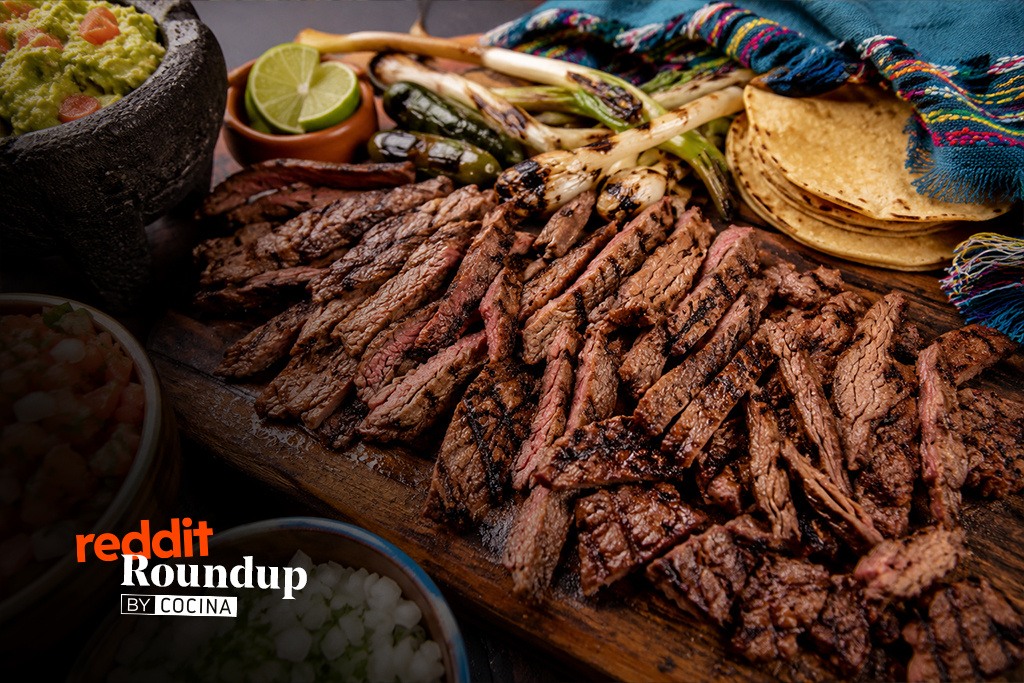
There are few meals that feel as communal and as personal as carne asada. At its core, it’s a Mexican grilling tradition centered around marinated, grilled beef—most often skirt or flank steak—cooked over high heat and sliced thinly for serving. While the ingredients are simple, the experience around it is what makes it so widely loved. The marinade typically includes citrus like lime or orange, garlic, herbs, and spices, helping tenderize the meat while layering in flavor before it hits a hot grill and develops that signature smoky char.
That combination of simplicity, flexibility, and community is what makes carne asada such a staple. So when we asked Reddit how they build their ultimate carne asada spread, the responses didn’t point to a single “correct” method. Instead, they revealed something more interesting: a set of shared principles shaped by culture, preference, and a lot of time spent around the grill.
From the cut of meat to the type of fire, here’s how Reddit builds the perfect carne asada.
It Starts With the Fire
If there’s one thing Reddit overwhelmingly agrees on, it’s this: charcoal isn’t optional.
Across both r/mexicanfood and r/grilling, people kept coming back to the same idea that flavor starts with the fire itself. Gas might be convenient, but charcoal (or even wood) is what gives carne asada its signature taste.
“Charcoal grill. Skirt steak or just the asada cut at WinCo. Poke holes in the meat with a fork so the marinade gets into the meat. Marinate in beer and asada seasoning… Might fire up my grill tonight just thinking about it”
- u/cruzitosway
Others take it even further, dialing in the type of wood they use. For these cooks, the fire is about more than temperature, it’s about flavor control. Different woods burn at different intensities and produce distinct smoke profiles, which can subtly (or not so subtly) change the final taste of the meat:
“Grilled over wood. I prefer oak over mesquite (mesquite is great for beef, bad for everything else), and I prefer almond over oak (easier to light).”
- u/lawyerjsd
This level of detail points to something bigger: for many people, carne asada is as much about managing the fire as it is about seasoning the meat. Even when propane comes up, it’s usually framed as a convenience or backup option rather than the goal. The fire isn’t just heat, it’s an ingredient, and the more control you have over it, the more intentional the final result becomes.
The Cut Matters But There’s No Single Answer
Ask ten people what cut to use, and you’ll get ten different answers, but a few favorites consistently rise to the top. The choice usually comes down to a balance of flavor, texture, cook time, and how you’re planning to serve it.
Skirt steak (or arrachera) is the most common choice, prized for its deep beefy flavor and how well it takes on marinade. Its thin cut also makes it ideal for high-heat grilling, where it develops those signature charred edges quickly:
“For me, it’s all about the thin-cut skirt steak (arrachera) over screaming hot charcoal. You really want those charred, crispy edges.”
- u/markbroncco
Others branch out into cuts that add variety to the spread, especially when cooking for a group. Mixing in different meats can turn carne asada into more of a full grill experience rather than focusing on a single protein:
“I use flap meat and beef back ribs… also, the types of chorizo that are in the natural casings.”
- u/lawyerjsd
Some choices are rooted just as much in practicality as they are in preference. Feeding a crowd often means choosing cuts that are more affordable and accessible, without sacrificing flavor:
“Here in El Paso, Texas, we use the thin cut chuck from the shoulder ‘diezmillo or 7bone’… Feeds a lot of people at a reasonable cheaper price and tastes great with all the sides.”
- u/elpasocattleman
And then there are the outliers, the ones who lean all the way in. For some, carne asada is also an opportunity to go big and experiment with premium ingredients:
“Wagyu skirt steak… It is insanely expensive… but OHHH MYY GOD it’s so incredible.”
- u/efitol
There’s no single “correct” cut. The best one is the one that fits your crowd, your budget, and your taste.
Marinades: Where the Flavor Identity Takes Shape
If the fire is the foundation, the marinade is where personality really starts to show up. It’s where home cooks decide how far they want to lean into tradition, how much complexity they want to build, and how much of the meat’s natural flavor they want to let shine through.
Some people keep it simple, trusting high heat and good-quality meat to do most of the work. These approaches tend to focus on balance—salt, citrus, heat—without overcomplicating things:
“Butterflied skirt steak. Garlic powder, chili powder, salt, pepper, lime.”
- u/fubzeppelin
“I’m a purist, just oil, lime juice, sea salt, and a bit of garlic.”
- u/markbroncco
Others move toward brighter, more layered profiles, leaning into citrus, aromatics, and small additions that build depth without overwhelming the base:
“I use skirt steak & make a marinade with a few oranges… limes, garlic, onion, avocado oil, & beer… I stand by using real oranges & not Sunny D.”
- u/adventurous-safe-760
Some take things even further, building fully developed flavor profiles that blend sweet, savory, acidic, and spice into something closer to a signature style than a standard marinade:
“I marinate with lime and orange juice, garlic, onion, cumin… dried chilies… cinnamon, clove and Mexican coke… vacuum seal it for 24 hours.”
- u/theremedykitchen
And for others, it’s about striking a balance between tradition and personal instinct—keeping the foundation familiar while layering in subtle adjustments based on taste or what’s available:
“Mexican lager… soy sauce, garlic, and Mexican oregano. Sometimes, I add lime.”
- u/lawyerjsd
What stands out across all of these approaches is it’s flexibility. There’s no strict formula for what a marinade “should” be. Instead, there’s a shared understanding that its job is to support the meat, not overpower it, while still leaving room for personal expression.
The Grill Doesn’t Stop at the Meat
Carne asada is built as a full spread around the fire. And for Reddit, what goes on the grill alongside the meat is just as intentional as the cut itself. These additions aren’t treated as sides in the traditional sense, but as part of the same cooking process, sharing the heat, smoke, and timing of the main protein.
Vegetables show up consistently, often cooked directly on the grill next to the meat so they pick up the same char and smoke. They’re simple, but they add balance, texture, and something fresh to round out the richness of the beef.
One of the most common examples is cebollitas (knob onions), which are small green onions typically grilled whole. What makes them special is how much they change once they hit the grill. The outside chars and crisps slightly while the inside softens and turns naturally sweet, creating a contrast that even people who usually avoid onions tend to come back for:
“I always throw some knob onions (cebollitas) and whole jalapeños on the grate right next to the meat.”
- u/markbroncco
“Sides on the grill are usually the long green onions, corn, jalapeños and tortillas of course.”
- u/elpasocattleman
In some cases, the grill extends even further into more traditional territory, bringing in ingredients that require a bit more attention but add another layer of depth to the meal:
“Also, nopales (though I'm still working on my technique).”
- u/lawyerjsd
Across all of these examples, the idea stays consistent: nothing is separate from the fire. Whether it’s onions, chilies, corn, or nopales, everything shares the same heat source and picks up the same flavor profile. These sides are part of the build, designed to come together at the same moment as the meat and complete the experience on the grill.
Salsas, Tortillas, and Everything in Between
Once everything comes off the grill, the focus shifts from cooking to assembling. This is where carne asada becomes personal and starts reflecting preference, balance, and heat tolerance.
Fresh toppings are a baseline requirement across the board. Brightness, acidity, and texture are what cut through the richness of the meat, and most setups start with a combination of herbs, onions, citrus, and heat:
“Topped with cilantro, onions, lime and my own personal avocado habanero salsa.”
- u/cruzitosway
From there, salsas become a defining layer of personality. Some spreads lean into variety, offering multiple heat levels and flavor profiles so everyone can customize their plate:
“Salsa, including a salsa macha… salsa verde… and a salsa roja. I’ll also have a pico de gallo.”
- u/lawyerjsd
Tortillas are just as central, acting as the foundation that everything else is built on. Whether homemade or store-bought, corn or flour, they’re treated as an essential part of the structure of the meal:
“My neighborhood grocery store makes its own Sonoran-style wheat tortillas, so I'm using those most often.”
- u/lawyerjsd
And then there are the additional sides that push the meal beyond just meat and tortillas, turning it into something more complete and shared:
“Sides include Mexican red rice, and I turn the grilled nopales into a salad.”
- u/lawyerjsd
What ties all of this together is choice. Nothing is strictly plated or predefined. Instead, the spread is designed for building—layering salsas, adjusting heat, and assembling each bite in real time. It’s all about creating the components that let everyone build their own.
Reading Between the Grill Lines
Taken together, Reddit’s “ultimate” carne asada setup isn’t about perfection or a single recipe. It’s about balance.
Charcoal over gas. Flavor over shortcuts. Flexibility over rules.
People care about the details: the cut, the marinade, the fire, but they also adapt. They cook for their crowd. They work with what they have. They build a spread that feels right in the moment.
And maybe that’s the real takeaway: carne asada isn’t one thing. It’s a system. A rhythm. A combination of choices that come together around a grill.
Or, as one Redditor put it:
“I'd tell you but I'd have to charge an arm and a leg for my recipe”
The responses have been edited for length and clarity.