
Empanadas: Everything You Need to Know
Empanadas. One of my favorites. Whether you’re picking one up on the go, or they’re the centerpiece at your next gathering, empanadas have earned their way to elite status in most Latin American hearts. They’re a go-to appetizer for most Latinos and for good reason: they’re delicious, they’re diverse, and they’re portable.
While empanadas trace their roots back to Spain, their glow-up belongs to Latin America—countries like Argentina, Colombia, Mexico, and beyond have each added their own sazón, turning empanadas into something deeply personal, regional, and proudly ours, as explored in this guide to Cocina’s take on Meet the Tastiest Empanadas of Latin America.
At their core, empanadas are simple: dough wrapped around a filling, folded into that iconic half-moon shape. The simplicity of empanadas is deceptive. The variations of empanadas are endless. Each country has its own version of empanadas, its own fingerprint. Some empanadas are baked, some are fried. Some empanadas are stuffed with juicy beef, others with chicken, cheese, seafood, or even sweet fillings. There are empanadas made with wheat flour, cornmeal, cassava—the list keeps going, as detailed in Empanadas: Latin American Culinary Treat.
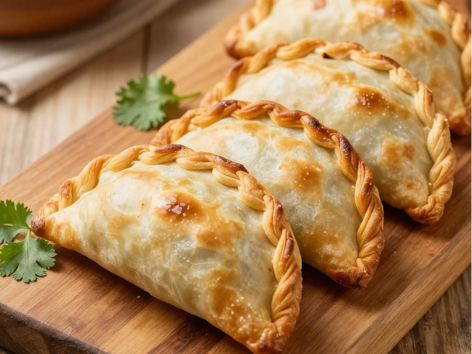
Empanadas. Picture obtained from Canva.
And while Latinos love to take credit for these gems, traditional meat-stuffed pastries are a common treat all over the world. From Indian samosas to Italian calzones, stuffing food in dough is not exactly original. Nevertheless, I think most would agree that the empanada is the forerunner in the “hot pockets of the world” game.
The key to what sets empanadas apart from rest is their unique look and style. Five or six bites of yumminess for most— or one or two bites if you’re my dad. Most of all, they’re known for being one of the few savory pastry options in the world. While they’ve been a part of most Latin American’s lives since birth, their start is lesser-known amongst the majority. Let’s take a look at how these little pouches of goodness became Latin America’s sweethearts.
What Makes Empanadas Unique
If you had to define empanadas in one sentence: empanadas are stuffed pastries folded over and sealed, usually into a half-moon shape. The magic of empanadas lives in the details.
The dough for empanadas sets the tone. Empanadas can be tender and flaky or crisp and golden, depending on whether the empanadas are baked or fried. The edges of empanadas are often crimped—by hand, with a fork, or in decorative folds that can signal what’s inside.
Then comes the filling that defines empanadas. Traditionally savory, empanadas are often deeply seasoned and always comforting. Beef empanadas are among the most iconic types of empanadas, typically mixed with onions, spices, olives, and sometimes hard-boiled eggs or raisins depending on the region.
That’s just the starting point. Across Latin America, empanadas are filled with shredded chicken, melted cheese, seafood, beans, vegetables, and sweet options like guava and cream cheese. The adaptability of empanadas is part of what has kept empanadas relevant for centuries.
The History of Empanadas
The word empanadas comes from the Spanish verb empanar, meaning “to wrap or coat in bread.” It’s a simple definition for a dish that has traveled far.
Empanadas can be traced back to Galicia, Spain, as early as the 16th century. Early empanadas were large, pie-like pastries filled with seafood—especially tuna or sardines. Historical references show that these early empanadas were designed as portable meals for workers and travelers.
As previously mentioned, other meat-filled pastries have made their mark in the culinary history of many different parts of the world. But we’re talking specifically empanadas here because they can be traced back to the 1520’s! And I think half a millennium earns them a crown.
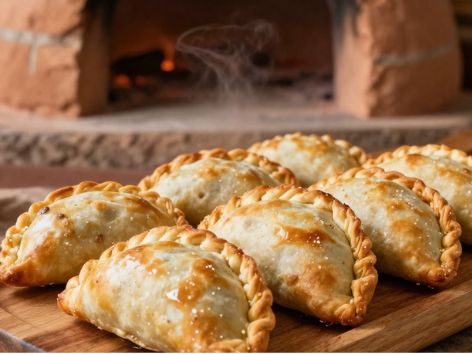
Argentinian empanadas. Picture obtained from Canva.
The Galicians of Spain still make a traditional seafood empanada from the good ol’ days, and while they do not resemble the empanadas we’re used to seeing, it’s fascinating to see how far we’ve come. What once began as seafood between two pieces of wheat dough, developed into the vast options you see on the empanada menus today.
When Spanish colonizers brought empanadas to the Americas, the transformation of empanadas began.
Local ingredients and regional traditions reshaped empanadas. Corn-based empanadas became common in places like Colombia and Venezuela. Fried empanadas gained popularity in the Caribbean and northern South America. Argentina developed a strong tradition of baked empanadas with rich, savory fillings.
Over time, empanadas became less about their Spanish origin and more about regional identity. Today, empanadas vary widely from country to country, and even from region to region.
Beef Empanadas: A Classic Type of Empanadas
Beef empanadas remain one of the most beloved types of empanadas across Latin America.
The filling in beef empanadas typically includes ground or finely chopped beef cooked with onions, garlic, and spices. Many beef empanadas also include olives, raisins, or chopped hard-boiled eggs, depending on regional traditions.
The filling for beef empanadas is usually prepared ahead of time and cooled before assembling the empanadas. This helps maintain the structure of the empanadas and enhances the flavor.
Beef empanadas are incredibly versatile. These empanadas can be served as snacks, appetizers, or main dishes. The popularity of beef empanadas continues to make them a staple among all types of empanadas.
Empanadas for Holidays and Celebrations
Empanadas are deeply tied to celebration. Empanadas appear during holidays, family gatherings, and special occasions across Latin America.
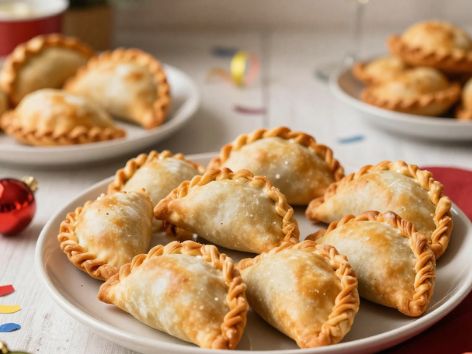
Holidays Empanadas. Picture obtained from Canva.
Holiday empanadas often feature more elaborate fillings or decorative designs. Sweet empanadas are especially popular during festive occasions, offering a dessert-style variation of empanadas, as we showed in Holiday Empanadas.
Making empanadas is often a shared activity. Preparing empanadas—filling, folding, sealing—brings people together. Empanadas become part of the experience, not just the meal.
Why Empanadas Remain So Popular
Empanadas have endured because empanadas offer both consistency and flexibility.
Empanadas are portable, easy to prepare in batches, and adaptable to a wide range of ingredients. At the same time, empanadas carry deep cultural meaning.
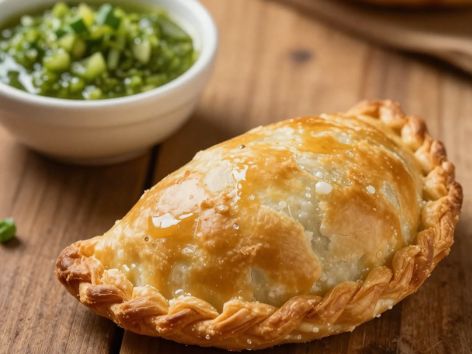
Empanada. Picture obtained from Canva.
Empanadas exist as street food, home cooking, and celebratory dishes. The continued popularity of empanadas comes from their ability to evolve while staying rooted in tradition.
Empanadas resonate not just for their flavor, but for what empanadas represent—tradition, creativity, and a shared culinary language that stretches across cultures.